
Custom Jewelry Packaging Materials for Logo, Inserts and Bulk Orders
Compare jewelry packaging materials by surface feel, logo compatibility, insert fit, sample planning and bulk QC before you confirm a custom jewelry box project.
Buyer decision page
Choose materials by brand position, logo result and reorder risk
For B2B jewelry brands, material choice is not only about touch. It affects logo sharpness, color tolerance, insert structure, packing protection and repeat order consistency.
Material fit
Match rigid paperboard, leatherette, velvet, microfiber, wood or kraft paper to your retail price point and product line.
Logo compatibility
Review foil stamping, embossing, debossing, UV printing, screen printing and metal plates on the actual box surface.
Bulk QC
Confirm color, texture, closure feel, logo position, insert fit and export carton protection before bulk production.
Material matrix
Compare jewelry packaging materials before sampling
The right choice depends on jewelry type, order quantity, logo finish, target budget, care requirements and the way the box will be used in retail or ecommerce.
| Material | Best fit | Logo options | Buyer check before approval |
|---|---|---|---|
| Rigid paperboard | Retail jewelry boxes, drawer boxes, magnetic boxes, gift packaging sets | Foil stamping, embossing, debossing, UV printing, screen printing | Paper wrap color, corner finish, lid fit, foil edge and carton protection |
| Leatherette | Premium ring boxes, bracelet boxes, watch boxes and private label collections | Foil stamping, debossing, metal plate and selected printing methods | Texture grain, logo pressure, cleaning behavior and batch color consistency |
| Velvet or microfiber | Soft-touch ring boxes, earring boxes, luxury presentation and bridal packaging | Careful foil testing, deboss effect, embroidery or metal badge where suitable | Pile direction, dust handling, color variance, logo visibility and surface wear |
| Wood and mixed material | Watch boxes, collector boxes, high-value sets and long-use presentation boxes | Metal plates, engraving, foil on lined panels or printed inner cards | Grain consistency, hinge feel, closure alignment, lining glue and packing weight |
| Kraft and eco paper directions | Eco-positioned jewelry brands, small launches and lighter packaging programs | Screen printing, debossing, simple foil and paper label systems | Material stiffness, print contrast, scuff resistance and structure strength |
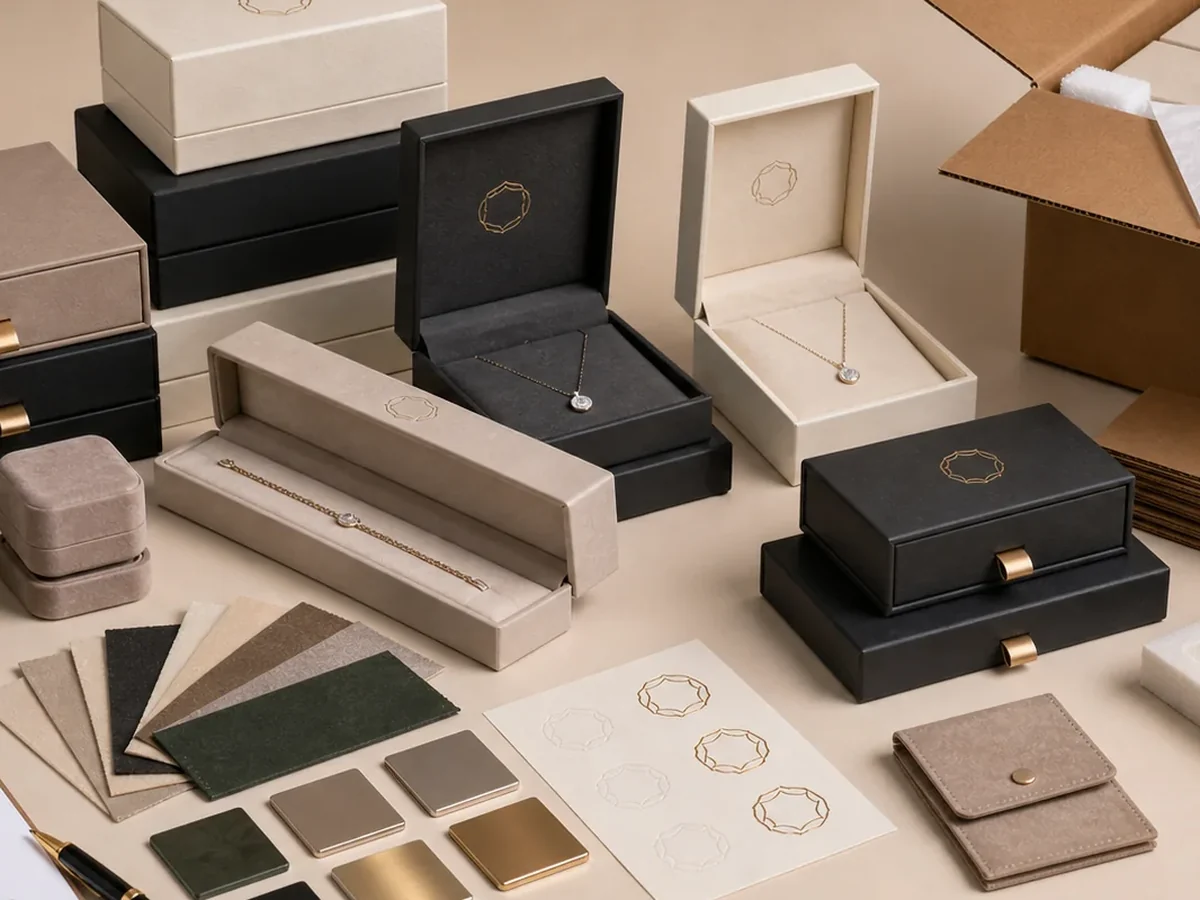
Coordinated packaging sets
Use the same material direction across boxes, pouches, inserts and retail gift sets so the brand presentation feels consistent.
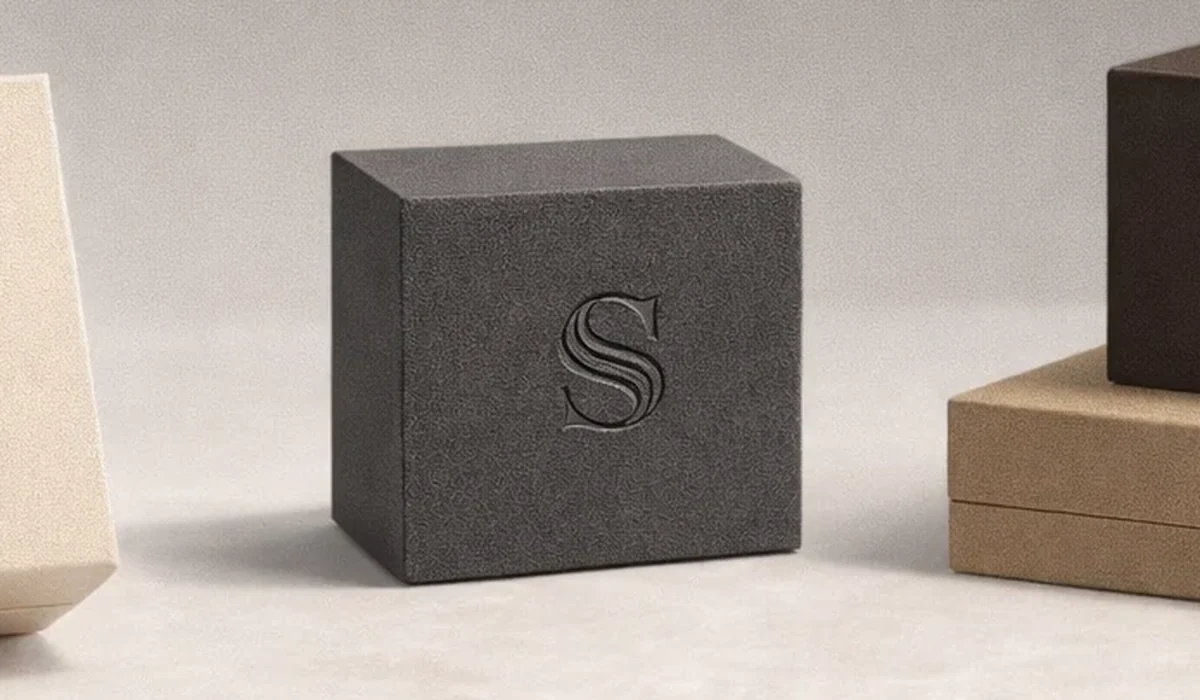
Finish tests on real surfaces
Logo compatibility should be checked on the selected surface, especially for velvet, leatherette and textured paper.
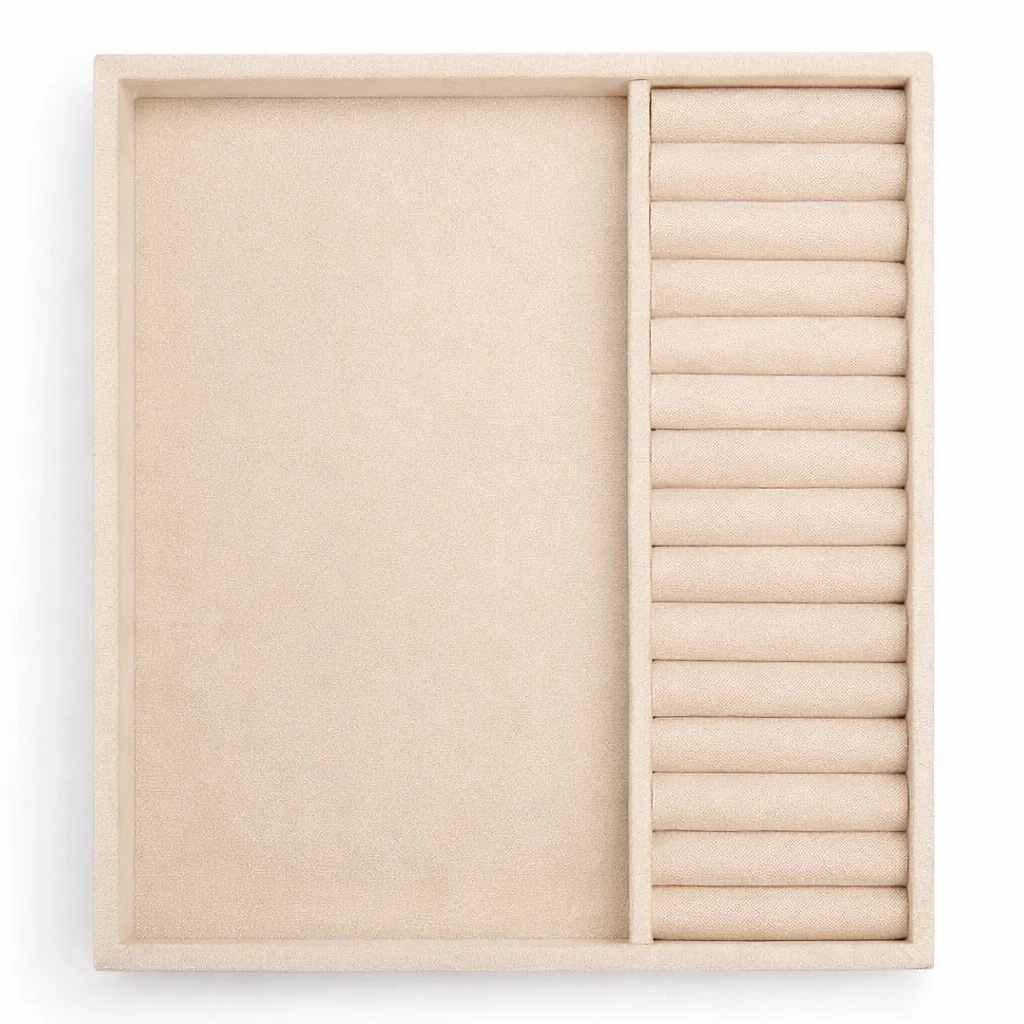
Insert fit by product type
Ring slots, necklace channels, bracelet pillows and watch cushions should be confirmed before the handmade sample.
Logo and craft
Choose the logo finish after the material is confirmed
A logo method that works on coated paper may not behave the same on velvet, leatherette or wood. The safest path is to match artwork, surface and finish before PPS approval.
Foil stamping
Best for metallic gold, silver, champagne or black logo effects on many rigid paperboard and leatherette surfaces.
Embossing and debossing
Useful for tactile premium branding where the buyer wants a subtle logo without heavy color contrast.
UV or screen printing
Good for flat color logos, detailed artwork and selected multi-color branding when the surface supports stable ink adhesion.
Insert engineering
Plan the insert around the jewelry, not only the box size
Many jewelry box problems start inside the box. A good insert protects the product, holds it in a retail-ready angle and keeps the unboxing experience consistent across bulk orders.
Ring slots
Confirm ring width, slot depth, foam density and velvet or microfiber wrap so rings stay upright.
Necklace channels
Use hooks, tabs or shaped channels to reduce tangling and keep pendants centered during presentation.
Bracelet pillows
Check pillow size, softness and band tension for chain bracelets, bangles and gift sets.
Watch cushions
Match cushion size to case diameter, strap length and display angle for watch packaging programs.
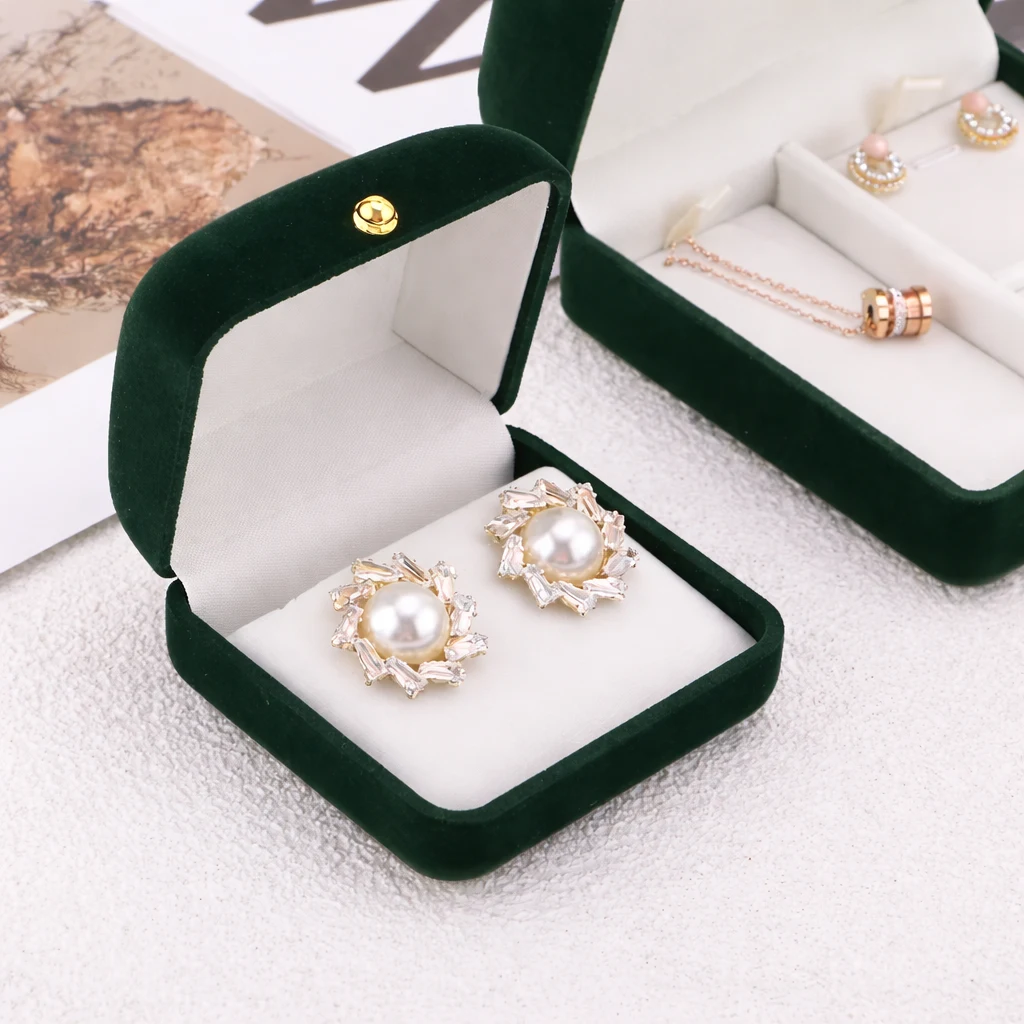
Soft lining and velvet feel
Soft materials create a premium first touch, but buyers should check dust handling, color variance and logo visibility.
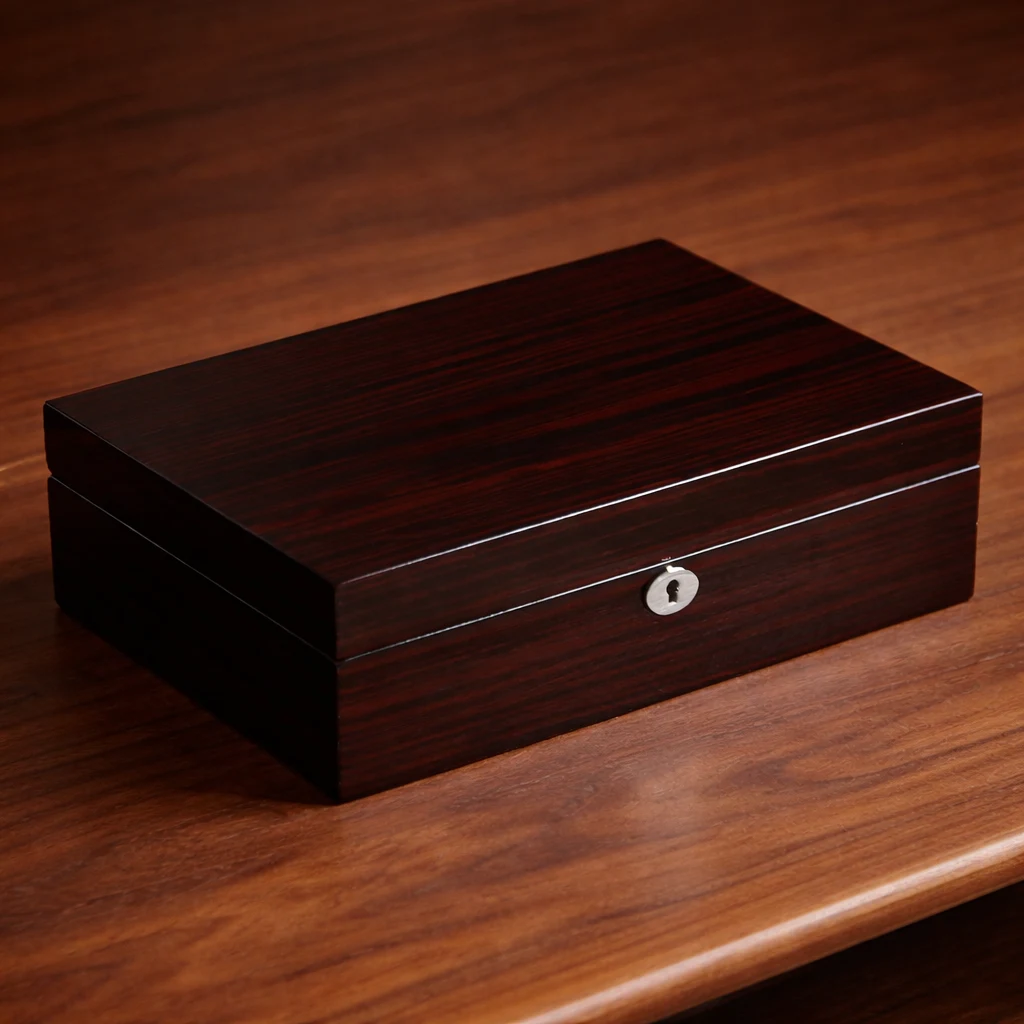
Wood and mixed material boxes
Wood, metal plates and lined interiors can fit higher-value collections when weight, packing and reorder control are planned early.
Sample and production
Confirm the specification before bulk production starts
Use the material page as an RFQ checklist. Send box type, size, target quantity, material direction, logo artwork, insert needs and destination port so the quotation is practical.
1. Material and artwork review
Check surface options, brand colors, logo position, insert direction and packing needs before quotation.
2. Handmade sample
Plan for a handmade sample in 7-10 days after details are confirmed, then review logo, insert fit, closure and finish.
3. PPS and bulk run
After PPS approval, mass production in 20-30 days after PPS approval is a practical reference for normal projects.
Bulk QC checklist
What to check when materials and craft move into production
Bulk jewelry packaging quality is built from small checks. These are the points that help reduce logo drift, insert mismatch and reorder inconsistency.
Surface consistency
Review texture, color tolerance, glue marks, edge wrapping and surface scratches across approved samples and bulk goods.
Logo alignment
Check logo position, foil pressure, deboss depth, print color and readability on the selected material.
Closure feel
Confirm lid fit, drawer movement, magnetic closure, hinge action or snap feel based on the chosen structure.
Export packing
Plan inner protection, master cartons and packing method for EXW / FOB / CIF orders before shipment.
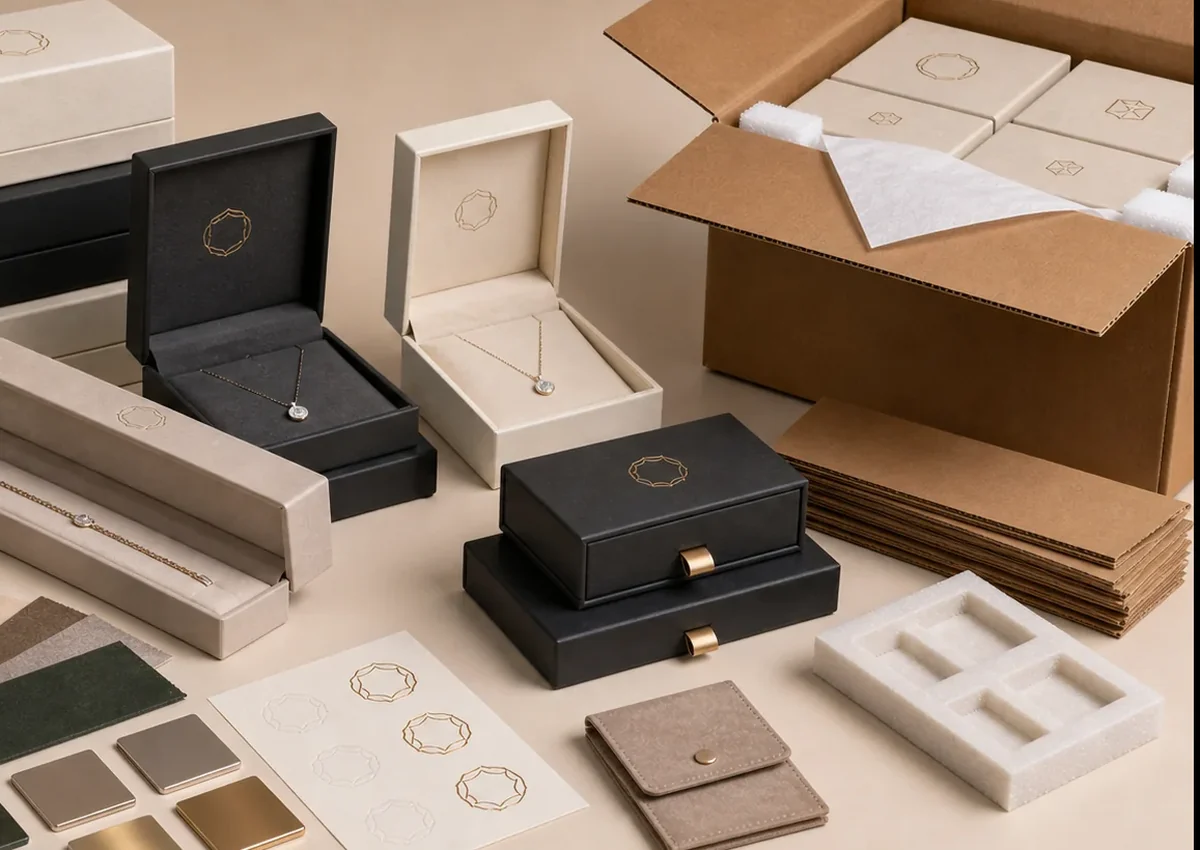
Use QC notes as reorder memory
For repeat wholesale orders, keep approved material, logo finish, insert construction, carton packing and PPS notes together. This makes future runs easier to compare against the approved standard.
Continue planning
Build a complete custom packaging specification
Use these pages to compare box structures, logo methods, material choices, service steps and RFQ details before you confirm a sample direction.
RFQ checklist
Turn material research into a clear packaging quote
Share the box type, jewelry type, size, material preference, logo artwork, insert requirement, target quantity and destination port. ShineStash can help match structure, material and craft decisions before sampling.
FAQ
Common material and craft questions
Check these points before you approve material, logo, insert and production details for a custom jewelry packaging order.
Which jewelry packaging material is best for logo finishing?
Rigid paperboard and leatherette usually support clean foil stamping, embossing, debossing, UV printing and screen printing. Velvet, microfiber and textured fabric can look premium, but they need material-specific logo testing before bulk production.
Can I use the same logo finish on paper, velvet and leatherette boxes?
Not always. The same logo artwork can behave differently on smooth paper, coated leatherette and soft pile surfaces. Confirm the final material and logo method together before sample approval.
What insert should I choose for rings, necklaces, bracelets and watches?
Ring boxes usually need ring slots or rolls, necklace boxes need channels or hooks, bracelets often use pillows or bands, and watch boxes need cushions sized to the case and strap style.
Why should B2B buyers request material swatches before sampling?
Swatches help confirm color, texture, surface feel and logo compatibility before building a handmade sample. They also reduce the risk of approving a material that does not match the brand position or budget.
How long does a custom jewelry packaging sample take?
A handmade sample in 7-10 days after details are confirmed is a practical planning reference for normal custom jewelry packaging projects.
What should be checked before mass production?
Confirm the PPS, logo position, insert fit, color tolerance, closure feel, surface consistency, packing method and export carton requirements before mass production in 20-30 days after PPS approval.